Honolulu City Council Quietly Kills $34M Hawaii Kai Land Deal — What Was It For?
The Honolulu City Council quietly removed $34 million from the city’s FY 2026 budget last month, money that had been earmarked to acquire a six-acre parcel along Hawaii Kai Drive. The decision came with minimal public discussion, leaving residents and stakeholders wondering what the city had planned for the prime East Honolulu real estate.
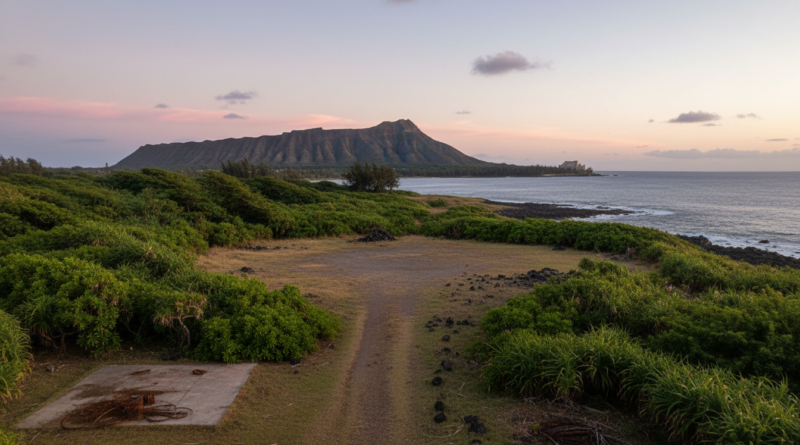
The property in question sits between Hawaii Kai Drive and the Koko Marina area, a strategic location that has drawn interest from both public and private entities over the past several years. Council sources familiar with the budget discussions say the acquisition was initially proposed as part of a broader infrastructure modernization effort for the Hawaii Kai community.
“This was supposed to be a key piece of addressing some long-standing infrastructure challenges in Hawaii Kai,” said Council Budget Committee Chair Tyler Dos Santos-Tam. “But when we looked at the full scope of what we’re facing citywide, we had to make some tough choices about priorities.”
What Was the Plan?
According to budget documents reviewed by Honolulu Wire, the land acquisition was tied to multiple potential uses. The primary driver appeared to be expanding stormwater management capacity for the Hawaii Kai area, which has experienced increased flooding during heavy rains in recent years.
The parcel’s proximity to Koko Marina also made it attractive for potential transit improvements. The city’s long-term transportation plans have identified East Honolulu as needing better connectivity, particularly as housing development continues to push into areas like Hawaii Kai and Portlock.
A third possibility involved community facilities. Hawaii Kai residents have long advocated for more public recreational space, and the six-acre site could have accommodated everything from a community center to expanded park facilities.
Private Interest Remains High
The city’s withdrawal from the potential acquisition doesn’t mean the property will remain undeveloped. Real estate sources indicate at least two private developers have expressed serious interest in the site, though specific plans haven’t been disclosed publicly.
The location’s value stems from its dual access to both Hawaii Kai Drive and proximity to the marina. Current zoning would allow for mixed-use development, potentially combining retail, residential, and commercial uses.
Hawaii Kai Neighborhood Board member Patricia Chang expressed frustration with the city’s decision-making process. “We’ve been asking for infrastructure improvements for years, and when the city finally puts money on the table, they pull it back without really consulting the community,” she said.
Budget Pressures Force Tough Choices
The $34 million cut reflects broader fiscal pressures facing the city. Mayor Rick Blangiardi’s administration has been working to balance competing priorities while addressing a structural budget deficit projected to reach $200 million over the next five years.
Council members say they prioritized immediate infrastructure needs over land acquisition. Money previously allocated for the Hawaii Kai property was redirected toward road resurfacing projects in multiple districts and upgrades to the city’s aging water system.
“We can’t acquire land if we can’t maintain what we already have,” explained Councilwoman Esther Kiaʻāina, whose district includes Hawaii Kai. “The community deserves functioning infrastructure first.”
Environmental Considerations
The decision also reflects growing awareness of environmental constraints in East Honolulu. The area faces increasing pressure from sea-level rise, and recent studies have questioned the wisdom of major new developments in low-lying coastal areas.
Some environmental advocates privately welcomed the city’s pullback, arguing that the land might be better preserved for natural stormwater management rather than developed for any purpose.
What Happens Next
With the city no longer pursuing acquisition, the property’s future rests with its current private owners and potential developers. Any major development would still require city approval through the standard permitting process.
Hawaii Kai residents will have opportunities to weigh in on any proposed private development through public hearings and community meetings. However, their influence may be more limited than it would have been with a city-controlled project.
The Council will revisit infrastructure needs for Hawaii Kai during next year’s budget cycle. Dos Santos-Tam indicated that stormwater improvements remain a priority, though they may need to be addressed through different approaches than land acquisition.
For now, the six-acre site remains in private hands, its future uncertain. The quiet budget cut represents both the city’s fiscal reality and the ongoing challenge of balancing development pressures with community needs in one of Oahu’s most sought-after neighborhoods.