Ala Wai Canal Could Rise 2 Feet by 2050 — and Bring Sewage With It, New Research Warns
New research warns that the Ala Wai Canal could rise by 2 feet by 2050, potentially bringing sewage-contaminated groundwater to the surface even on dry days — threatening Waikiki’s world-famous beaches and Hawaii’s $17 billion tourism industry.
The peer-reviewed study, published in the journal Environmental Research Letters, examined the combined effects of sea-level rise and storm surge on Honolulu’s coastal areas. Researchers found that when water levels in the canal reach 2 feet above current levels, contaminated groundwater could begin surfacing in areas around Waikiki without any rainfall trigger.
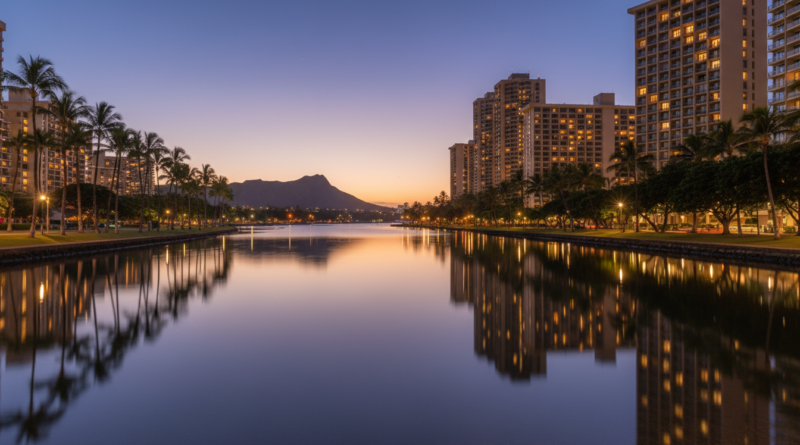
The Ala Wai Canal, which runs along the inland edge of Waikiki from the Ala Moana area to Diamond Head, has long struggled with water quality issues. The waterway collects urban runoff and has been plagued by sewage spills from aging infrastructure throughout urban Honolulu.
“This isn’t just about flooding anymore — it’s about sewage-contaminated water potentially bubbling up through the ground in one of our most economically vital areas,” said Dr. Kenji Matsumoto, a University of Hawaii oceanographer who contributed to the research. “When you combine rising seas with our existing groundwater contamination issues, you get a perfect storm for public health concerns.”
Tourism Economy at Risk
The implications for Waikiki’s tourism sector are significant. The area draws millions of visitors annually to its iconic beaches, generating billions in revenue for Hawaii’s economy. Water quality warnings or beach closures in Waikiki could have far-reaching economic consequences.
The study identifies several vulnerable areas where contaminated groundwater could surface first, including portions of Ala Moana Beach Park, areas near the Hilton Hawaiian Village, and sections of the Ala Wai Golf Course. These locations sit at low elevations and have documented groundwater contamination from decades of urban development.
Current sea-level rise projections for Honolulu show an increase of 8 to 12 inches by 2050, according to the Hawaii Climate Change Commission. However, when combined with storm surge from increasingly severe weather events, water levels could temporarily reach the 2-foot threshold identified in the new research.
The Ala Wai Canal system was built in the 1920s to drain wetlands and create the Waikiki we know today. But the century-old infrastructure wasn’t designed to handle modern urban runoff volumes or account for climate change impacts.
City Response and Planning Efforts
Honolulu officials are already grappling with sea-level rise planning across the island, but this research adds urgency to addressing the Ala Wai’s specific challenges. The city’s Climate Change Commission has been developing adaptation strategies, though funding remains a persistent obstacle.
The Army Corps of Engineers has proposed a $345 million flood protection project for the Ala Wai watershed, which includes pumping stations, detention basins, and canal improvements. However, that project has faced delays and doesn’t specifically address groundwater contamination issues.
“We’re looking at a convergence of problems — aging infrastructure, increasing rainfall intensity, rising seas, and contaminated groundwater,” said Maria Santos, a researcher at the Pacific Disaster Center who wasn’t involved in the study. “The Ala Wai system needs comprehensive upgrades, not just flood protection.”
The research also highlights broader challenges facing low-lying coastal communities throughout Hawaii. Similar groundwater contamination and sea-level rise interactions could occur in other areas of Oahu, including parts of Kalihi, Sand Island, and near Honolulu Harbor.
What Happens Next
The study’s authors recommend immediate action to upgrade sewage infrastructure around the Ala Wai Canal and implement monitoring systems to track groundwater contamination levels. They also suggest exploring nature-based solutions, such as constructed wetlands, to help filter contaminated water before it reaches surface areas.
For Honolulu residents and visitors, this research underscores the interconnected nature of climate change, infrastructure, and public health. The iconic Waikiki beaches that define Hawaii’s image could face increasing water quality challenges in the coming decades without significant intervention.
City officials plan to present the study’s findings to the Honolulu City Council next month, potentially spurring new funding discussions for Ala Wai improvements. The research provides concrete timelines and consequences that could help prioritize these long-discussed infrastructure upgrades.
The message is clear: addressing the Ala Wai Canal’s challenges isn’t just about preventing floods anymore — it’s about protecting one of Hawaii’s most valuable economic and cultural assets from contamination that could surface with rising seas.